Ageing is a natural process, yet it often brings subtle changes that affect how people feel about their appearance. These changes do not happen overnight. They appear gradually, sometimes so quietly that it is only when looking at an old photograph that the difference becomes noticeable. A softer jawline, changes in skin firmness or shifts in facial structure can all influence confidence in ways that are deeply personal.
For many people, the desire to look refreshed is not about chasing youth. It is about wanting their appearance to reflect how they feel inside. When energy and confidence remain strong but the mirror tells a different story, it can create a disconnect that feels unsettling.
Understanding Changes in the Lower Face
The lower face plays a significant role in how expressions are perceived. As skin loses elasticity and facial muscles change with age, areas around the jawline and mouth may begin to soften. This is completely normal, yet it can alter facial balance in ways some people find frustrating.
These changes are influenced by a combination of factors including genetics, lifestyle, sun exposure and natural ageing. For some, they happen earlier or more noticeably than expected. Others may barely notice them at all.
What matters most is how these changes make an individual feel. Aesthetic choices are rarely about comparison with others. They are about personal comfort and self-perception.
The Shift Towards Subtle Aesthetic Care
In recent years, attitudes towards aesthetic treatments have evolved. There is less emphasis on dramatic change and more focus on subtle support. People want to look well rested, balanced and natural rather than noticeably treated.
This shift has encouraged a more thoughtful approach to aesthetics. Rather than asking what can be changed, people are asking what can be supported. The goal is often to soften certain features, restore balance or prevent changes from becoming more pronounced over time.
Treatments are increasingly seen as part of long-term self-care rather than quick fixes.
Why Knowledge Matters
Aesthetic treatments can feel confusing for those unfamiliar with them. With so much information available online, it can be difficult to separate fact from trend. This is why education is so important.
Understanding how the face changes, what treatments aim to do and what outcomes are realistic allows people to make decisions with confidence. It also helps set healthy expectations. No treatment stops ageing entirely, but some can support the face in ageing more gracefully.
Informed choices tend to lead to more satisfying outcomes, both physically and emotionally.
Considering Support for Facial Balance
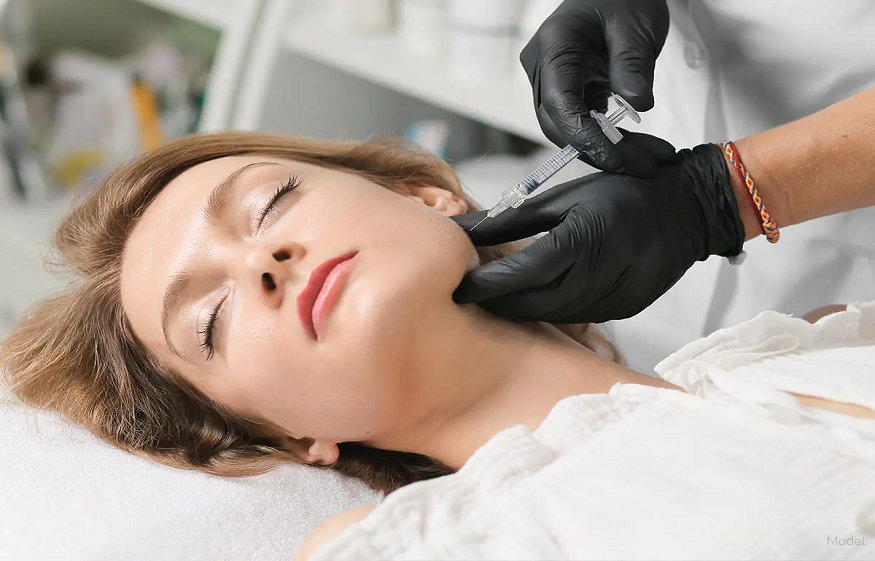
Some people explore options such as botox for jowls as a way of gently supporting the lower face. In these cases, the aim is not to freeze expression or dramatically alter appearance, but to influence muscle movement in a way that supports balance.
When approached carefully, such treatments focus on harmony rather than transformation. They are often part of a broader plan that considers skin quality, muscle activity and individual facial structure.
This level of consideration highlights why expertise matters so much in aesthetic care.
Choosing the Right Environment
Where treatments take place can be just as important as the treatment itself. A professional botox clinic should feel calm, informative and focused on patient wellbeing rather than trends.
People should feel comfortable asking questions and taking time to decide. There should be no pressure to proceed and no one-size-fits-all recommendations. A good consultation involves listening as much as advising.
Trust is built when clients feel heard and supported throughout the process.
The Value of a Skilled Practitioner
Facial aesthetics require precision and experience. Small adjustments can make a significant difference, especially in expressive areas such as the lower face. This is why choosing an experienced practitioner is essential.
Professionals such as Dr Hennessy are known for prioritising natural results and individual assessment. Rather than following a standard approach, they consider facial anatomy, movement and long-term outcomes. This personalised care helps ensure results feel balanced and authentic.
A skilled practitioner understands when less is more and when restraint leads to better outcomes.
Emotional Confidence and Self-Perception
Feeling comfortable in your appearance often has a ripple effect. Confidence influences how people communicate, interact and carry themselves. When someone feels at ease with their reflection, it often shows in posture, expression and energy.
Aesthetic treatments are not about meeting external standards. They are about supporting self-confidence in a way that feels aligned with personal values. For some, that means embracing every line. For others, it means gently addressing areas that cause distraction or discomfort.
Both choices are valid.
Ageing With Intention
There is no single right way to age. Some people prefer to do nothing at all, while others choose small interventions that help them feel more like themselves. The key is intention.
Making thoughtful choices based on knowledge rather than pressure leads to healthier relationships with aesthetics. It allows people to approach ageing with curiosity rather than fear.
Supportive treatments, when chosen carefully, can complement this mindset rather than undermine it.
Taking Time to Decide
Aesthetic decisions should never feel rushed. Taking time to reflect, research and consult with trusted professionals creates space for clarity. There is no obligation to act immediately, and there is value in waiting until something feels right.
The best outcomes often come from decisions made calmly and confidently, not impulsively.
Feeling Like Yourself Again
Ultimately, the goal of aesthetic care is not change for the sake of change. It is about alignment. When appearance, confidence and self-perception come back into balance, people often describe feeling more comfortable and at ease.
That sense of ease is not about looking different. It is about feeling familiar again.
With the right information, support and care, people can approach aesthetic treatments as one small part of a broader commitment to wellbeing and self-respect.