
Life rarely slows down on its own. Days blur into weeks filled with work, responsibilities and constant stimulation. Even moments meant for rest often come with distractions, whether it is a phone buzzing nearby or a list of tasks waiting to be completed. Over time, this constant pace can leave people feeling disconnected from themselves, both mentally and physically.
More people are beginning to recognise the importance of intentional rest. Not the kind that happens accidentally between obligations, but rest that is planned, protected and meaningful. Creating space to pause, reflect and breathe deeply can have a lasting impact on wellbeing, far beyond the time spent away.
Why Space Matters
When routines dominate daily life, it becomes difficult to notice how much tension the body and mind are carrying. Shoulders lift without awareness, breathing becomes shallow and thoughts race without pause. Space, both physical and mental, allows these patterns to soften.
Being in a different environment helps break habits that keep people stuck in survival mode. It allows the nervous system to settle and creates the conditions needed for genuine rest. Even short periods away from daily demands can shift perspective and renew energy.
This is why intentional time away has become an important part of modern self-care. It gives people the opportunity to reconnect with themselves without distraction or pressure.
Movement as a Path to Awareness
Yoga offers a gentle way back into the body. Rather than pushing for performance, it encourages listening and responding with care. Each movement becomes an invitation to notice sensation, breath and balance.
Through mindful movement, people often rediscover areas of tension they had ignored. Stretching becomes less about flexibility and more about releasing stored stress. The practice invites patience and curiosity rather than judgement.
This approach supports physical wellbeing while also calming the mind. It creates a rhythm that feels supportive rather than demanding, which is especially valuable for those used to fast-paced lives.
The Role of Stillness
Stillness is often underestimated. Many people feel uncomfortable when things go quiet, as though stillness needs to be filled with activity. Yoga teaches that stillness is not empty. It is where awareness deepens.
Breathing exercises and guided rest encourage the mind to slow down. Thoughts soften, and worries lose their intensity. With practice, people learn that they do not need to react to every thought. They can observe, acknowledge and let go.
This mental clarity often becomes one of the most valued outcomes of taking intentional time away. It brings a sense of calm that carries into daily life long after the experience ends.
Why Shared Experiences Feel So Powerful
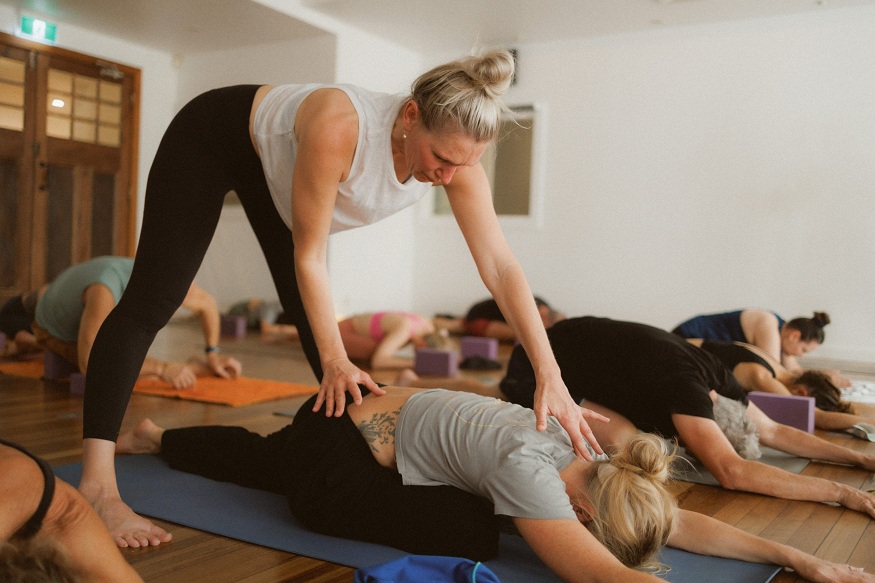
Although personal reflection is important, there is something deeply grounding about sharing space with others who have a similar intention. A room filled with people moving and breathing together creates a sense of connection without the need for conversation.
Shared silence can feel supportive rather than lonely. It reassures people that they are not alone in their need for rest and renewal. This sense of community often helps individuals feel more comfortable being present and open.
Organisations such as The Yoga Collaboration create environments where this shared experience feels safe and inclusive. Their approach encourages people to practise without comparison or expectation, allowing each person to move at their own pace.
Stepping Out of Routine
Routine provides structure, but too much of it can dull awareness. Stepping out of familiar patterns allows people to see themselves more clearly. It becomes easier to notice habits that no longer serve them and identify what they want to change.
For some, this means realising how rarely they pause during the day. For others, it means noticing how often they ignore their own needs. Time away offers a chance to reset these patterns gently.
Experiences such as yoga retreats give people permission to slow down fully. They offer a balance of movement, rest and reflection that feels nourishing rather than overwhelming.
Carrying the Experience Forward
One of the most valuable aspects of intentional time away is how it influences everyday life afterwards. People often return home with a greater awareness of their breathing, posture and reactions. Small pauses become easier to take. Stressful moments feel more manageable.
Rather than feeling like an escape, the experience becomes a reference point. It reminds people how it feels to be calm and present, making it easier to return to that state when life feels demanding.
These subtle shifts can improve sleep, focus and emotional balance over time.
Simplicity as a Form of Care
Wellbeing does not have to be complicated. Often, the most effective practices are the simplest. Gentle movement, conscious breathing and quiet reflection can have a profound effect when practised consistently.
Yoga encourages this simplicity. It invites people to meet themselves where they are, without pressure to change or achieve. This attitude fosters kindness towards the body and mind, which is often missing in daily life.
By removing unnecessary complexity, people find it easier to listen to themselves and respond with care.
A Different Relationship With Time
Time away offers a chance to experience time differently. Without constant schedules and notifications, moments stretch and slow. Meals are eaten mindfully. Movement feels intentional. Rest feels deserved rather than rushed.
This shift helps people reconsider how they use time at home. It encourages boundaries, pauses and moments of presence that support long-term wellbeing.
Learning to protect time for rest becomes an act of self-respect.
Returning With Intention
Ultimately, stepping away is not about leaving life behind. It is about returning with greater clarity, balance and resilience. When people give themselves permission to rest fully, they strengthen their ability to handle challenges with calm and perspective.
Intentional pauses help create a life that feels more sustainable and aligned. They remind people that wellbeing is not something to earn, but something to nurture.
Making space for yourself is one of the most powerful choices you can make.