
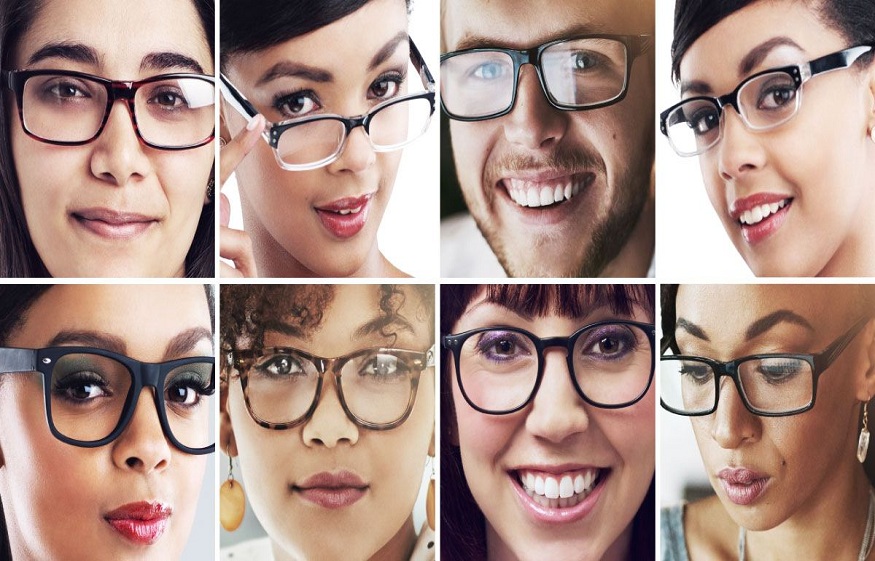
Most of us reach for our glasses without thinking too much about the message they send. Yet the moment we put on a pair of frames, something subtle happens. Our posture changes, our expression shifts and the way others read our face changes too. Eyewear has a way of shaping first impressions that is almost impossible to ignore.
Glasses sit at the centre of the face, which means they quietly influence how others interpret who we are. They highlight our eyes, soften or sharpen our features and often reveal more about our personality than we realise. Choosing the right pair can feel as personal as choosing a fragrance or a favourite jacket. It is something instinctive, but also deeply connected to identity.
This is what makes the psychology of eyewear so fascinating. Frames do more than correct vision. They communicate mood, confidence and character long before we speak.
Why Eyewear Shapes Social Judgement
People rely on visual cues when forming opinions about others. Glasses draw attention to the eyes, which are central to how we read emotion and intent. Because of this, eyewear becomes part of the mental shortcuts that people use to evaluate personality and credibility.
Several consistent findings appear across psychological and workplace studies.
- Wearing glasses is often associated with intelligence, attentiveness and reliability.
- Frames that are symmetrical and proportional to the face create impressions of balance and trustworthiness.
- Glasses can influence more than aesthetics. They can alter how people interpret facial expressions and eye contact.
How Frame Shape Influences Perception
Different frame styles create different psychological signals. Understanding these signals can help people choose eyewear that suits their professional environment or personal image.
1. Thin metal frames
Thin metal frames are often associated with analytical thinking and approachability. Their lighter profile creates a minimal and unobtrusive look, which suits people who want to appear calm, organised and detail oriented. These frames tend to work well in academic, legal, financial and technical workplaces where subtle professionalism is important.
2. Bold acetate frames
Bold frames attract attention and convey confidence. In behavioural studies, participants often interpret thicker frames as expressive or creative. This style is commonly linked to leadership, artistic fields and communication focused roles. It works particularly well for people who want to create a memorable visual identity.
3. Round frames
Round frames soften facial features and can make the wearer appear thoughtful or open minded. Historically associated with academics and creatives, this shape communicates warmth and intellectual curiosity. They can also balance angular facial features, which enhances approachability.
4. Rectangular frames
Rectangular shapes create impressions of structure and stability. This shape is often worn in professional environments because it conveys decisiveness and clarity. For people with softer facial structures, rectangular frames add definition and create a more focused appearance.
5. Oversized frames
Oversized silhouettes are more expressive and can appear confident or fashion forward. These frames can suggest boldness, self assurance and trend awareness. They are often chosen by people who want to project presence in social or creative settings.
The Role of Colour in First Impressions
Frame colour also carries psychological associations.
- Black often conveys sophistication, confidence and clarity.
- Tortoiseshell tends to appear warm and classic because the varied tones soften the overall look.
- Transparent or neutral frames are linked with minimalism and subtlety, which suits modern professional environments.
- Bright colours can signal creativity or playfulness and are effective for people who want to express individuality.
These impressions differ across cultures, but the general patterns appear consistently in workplace research related to attire and colour psychology.
How Eyewear Influences Perceived Confidence
There is a quiet moment that happens when someone finds the right pair of frames. They look in the mirror and recognise themselves instantly. Their shoulders relax and their expression settles. This is the psychological effect of eyewear that often goes unnoticed.
When a pair suits someone, it supports the story they want to tell about themselves. That story may be one of calm professionalism, artistic expression, playfulness or quiet certainty. The frames become a tool for self assurance. They help people enter a room a little more confidently, communicate a little more clearly and feel a little more aligned with who they are.
This connection between eyewear and confidence is deeply personal. It is not about wearing what others expect. It is about choosing what feels right.
Practical Advice for Workplace Settings
Because first impressions matter in professional environments, eyewear can support the message people want to communicate.
For client facing roles
Neutral frames with clean lines create a sense of trust and reliability. Metal frames or classic acetate styles often work well.
For leadership roles
Structured shapes such as rectangular or thicker acetate frames create presence and definition.
For creative industries
More expressive shapes or colours can help communicate originality and openness to new ideas.
For hybrid or tech oriented workplaces
Minimal, lightweight frames suit environments that value modern, understated design.
For interviews or presentations
Frames that do not distract from eye contact are generally the most effective. Clear or thin frames ensure that attention stays on expression and communication.
How to Choose Frames That Support Personal Identity
Eyewear should complement individual style, face shape and goals. A few considerations can help guide the choice.
- People with soft features often benefit from slightly angular frames that add definition.
- Angular features are balanced by round or softer shapes.
- Dark colours create contrast and definition, while lighter colours create a subtle or gentle impression.
- Larger frames attract attention and become part of a personal visual signature.
- Minimal frames let the wearer’s natural features take priority.
These principles help individuals select eyewear that reflects both personality and professional expectations.
Final Thoughts
Eyewear affects how people are perceived and how they perceive themselves. Frame shape, colour and style play meaningful roles in first impressions and influence social and workplace interactions. When chosen thoughtfully, eyewear becomes more than a functional tool. It becomes a strategic part of communication, confidence and identity.