Basal cell carcinoma is one of the most common types of skin cancer, and it can appear as a sore, lump, small spot, or changing patch. Even if it tends to grow slowly, it still needs solid medical attention, because if it’s not treated, the lesion can enlarge, work its way into deeper tissue, and later feel more difficult to treat.
With targeted care, people can better understand their diagnosis, protect surrounding healthy skin, and compare treatment options based on tumor size, location, and behavior. For certain patients, a radiation approach such as brachytherapy may be used when surgery is not the first choice, isn’t a good fit, or might interfere with sensitive areas such as the nose, ears, eyelids, scalp, or face.
HDR Brachytherapy Skin Planning
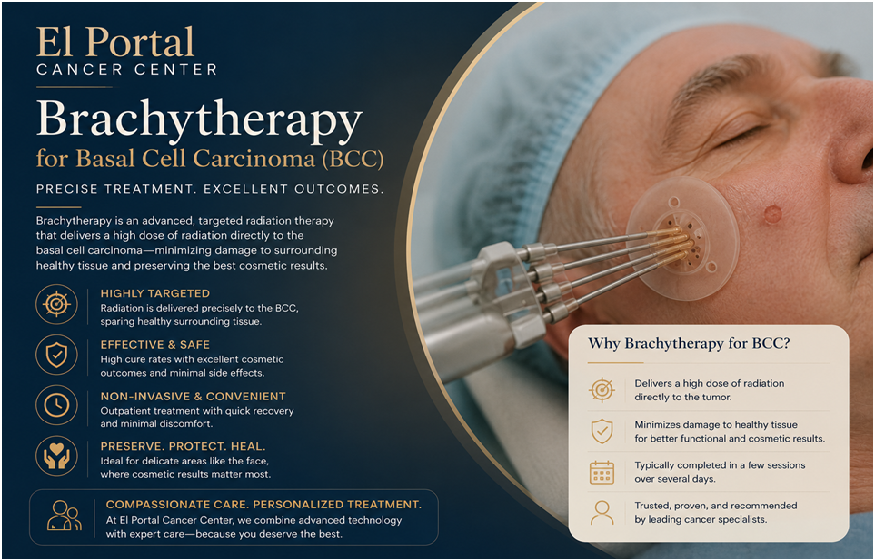
HDR Brachytherapy skin cancer treatment is kind of about delivering a high-dose-rate radiation treatment in a controlled, and honestly well – thought out way. Instead of relying solely on a remote machine, brachytherapy places the radiation source near the treatment site for a short interval. This lets clinicians shape the dose more carefully around the skin cancer area, and if everything lines up, it also helps spare the nearby tissues and other delicate structures as much as it can.
Before anything truly begins, the care team usually marks the affected region and rechecks the details of how the radiation should be delivered. This preplanning phase tends to make outcomes more consistent from one session to the next. HDR Brachytherapy for Skin Cancer Treatment can be especially helpful in areas that are more visible or otherwise sensitive, where preserving skin appearance, daily mobility, and general comfort really matter.
Focused Treatment Helps Protect Healthy Tissue
One reason focused radiation care is really helpful is that many basal cell carcinomas tend to appear on sun-exposed regions. In those places, the skin may seem thinner, more sensitive, or, honestly, just more noticeable cosmetically. A more precise method also helps keep nearby collateral effects lower, while still going directly after the spot that’s been diagnosed.
Even though each kind of care can bring side effects, careful planning lets the team manage risk in a tighter, more considerate way. Patients are coached on skin care habits, given set follow-ups, and told the warning signs that should be reported during or after the treatment run. Overall, it becomes a more well- organized, more solid care experience, even when things feel uncertain at first.
Non-Surgical Options Support Patient Choice
Some patients might prefer to steer away from surgery. In contrast, others may not really be ideal surgical candidates because of age, health status, medication use, where the lesion sits, or healing concerns. In these cases, a non-surgical treatment option can offer real flexibility, like more room to breathe. The right move still depends on a proper medical evaluation, not just convenience alone, but having more than one route can reduce anxiety.
Patient choice tends to grow stronger when the information is both clear and realistic. A trusted cancer care team should explain why one option is suggested rather than another, what the procedure actually involves, how many appointments might be needed, and what aftercare will look like. Then patients can make decisions with more confidence, without feeling rushed, especially if the diagnosis involves a visible area or something personally sensitive.
Brachytherapy for Basal Care Planning
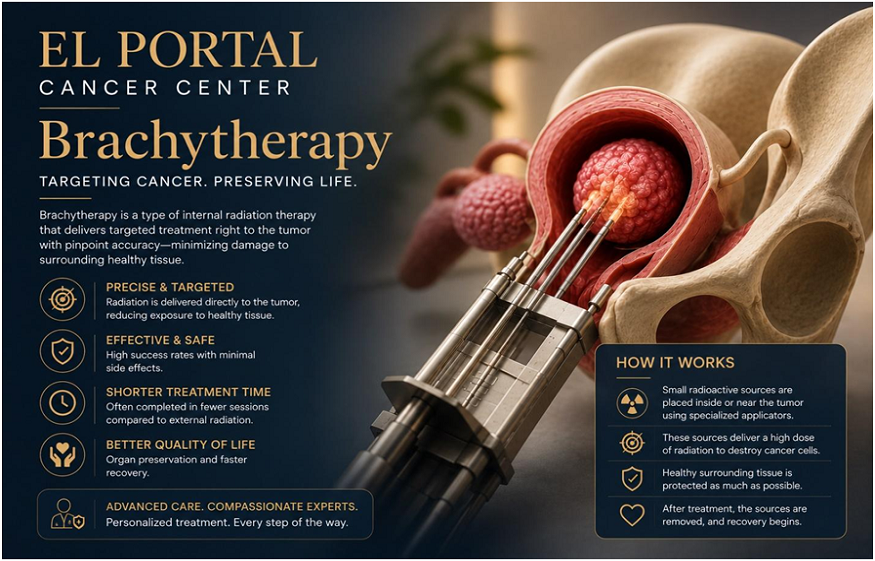
Brachytherapy for basal cell carcinoma can help with a more focused plan, since they place radiation quite close to the cancer area, not broad field treatment when it isn’t truly necessary. The team aims at the involved skin, while also reducing the dose that falls on nearby, still healthy tissue. It might be chosen when a non-surgical pathway fits the clinical picture, or when surgery would feel awkward, as if it isn’t the best match for that person specifically.
Even then, a careful consult is still very essential before anything starts. Brachytherapy for Basal Cell Carcinoma isn’t the right fit for every situation. Still, it can be useful when precision matters a lot, when day-to-day convenience is a real priority, and when saving tissue is a main objective.
Early Diagnosis Improves Treatment Confidence
Skin cancer care can feel a lot more doable when those unusual changes get noticed early, like before people let them sit there too long. If you see something new, a sore that just doesn’t heal, any bleeding, crusting, a plain change in color, or a bump that keeps returning, it really needs to be looked at by a qualified medical professional. Getting an early look makes it easier to tell whether the spot is harmless, more likely pre-cancer, or actually cancerous, and it can also mean treatment starts. At the same time, things are still pretty manageable, not after they turn into a bigger mess.
Plus, a timely diagnosis gives patients more breathing room to evaluate treatment options that actually match their situation. When basal cell carcinoma is caught early, the care team can often map out a targeted approach using the lesion’s size, depth, and exact placement, rather than just using some general plan. Staying on top of regular skin checks and then acting quickly when something seems suspicious still matters a ton for safer, steadier skin cancer care.
Personalized Care Supports Better Outcomes
No two skin cancer cases are exactly identical; it’s kind of like they overlap but never fully match, not even when the labels seem similar. A treatment plan should consider the patient’s diagnosis, overall health, skin condition, treatment aims, and what is realistic for their everyday routine. When care is tailored to the person, it often helps the patient understand what will happen before, during, and after treatment. Plus, they can ask better questions and mentally adjust with a calmer mind for each step of care, even when it feels a little overwhelming, if not more than a little.
A more concentrated plan usually means coordination among dermatology, radiation oncology, and the supportive care group. That kind of team approach makes it easier for patients to get instructions that are medically grounded and not overly difficult to follow. When communication is clear, patients are more likely to attend appointments, follow treatment guidance, and feel reassured that their treatment is delivered with care and precision, not only in theory but also in practice.
Conclusion
Focused skin cancer care helps patients slide past fear and confusion into a more lucid set of medically guided decisions. In a few selected basal cell carcinoma cases, brachytherapy can work as a very precise treatment approach, making targeted radiation delivery possible while also helping to protect nearby healthy tissue. Generally, the strongest outcomes begin with early diagnosis, then a careful assessment, plus expectations that are grounded in reality, and a care team that walks you through each stage clearly enough so you do not end up stuck wondering what comes next.
El Portal Comprehensive Cancer Centers supports people through skin cancer evaluation, advanced treatment options, and caring oncology attention, especially for folks seeking guidance in Merced and the Central Valley. Their team helps patients map out which treatment paths are available, including focused radiation options, so patients can choose with more confidence and get care that stays professional while still being patient-centered.
Frequently Asked Questions
Question: What is brachytherapy for basal cell carcinoma?
Answer: It’s a kind of focused radiation care where the radiation source is put close to the cancerous area, kind of “right at the spot”. For some suitable basal cell carcinoma cases, it may help treat the involved skin while also keeping unwanted radiation down to nearby healthy tissue.
Question: Is brachytherapy suitable for every basal cell carcinoma patient?
Answer: Not really. Whether it fits depends on the cancer’s size, depth, location, and even the pathology, plus patient health and any prior treatments. A qualified oncology team has to review everything first, before deciding if brachytherapy, or some other option, makes more sense.
Question: Why is HDR brachytherapy used for skin cancer?
Answer: HDR brachytherapy supports a controlled way to deliver radiation during shorter treatment visits. It can help clinicians aim at the tumor site with care, especially when the lesion is in a visible or delicate area where precision really matters.
Question: Does this treatment help reduce scarring?
Answer: It can help lower the need for surgical cutting in some picked cases, which might be useful if someone is worried about how visible the scarring will look. But skin irritation, the way healing goes, and the final cosmetic outcome can really differ from person to person, so it’s best that patients go over what to expect with their doctor.
Question: When should someone get a suspicious skin spot looked at?
Answer: A new spot that is changing, or one that starts bleeding, crusting, feels sore, or just won’t heal should be checked promptly. Getting an early evaluation often helps confirm the diagnosis and may allow more treatment options before the lesion becomes more difficult to treat.