Many people assume that chronic fatigue, persistent morning headaches, and jaw pain are separate issues that belong to different medical departments. A person might visit a general practitioner for exhaustion, a dentist for tooth wear, and a physical therapist for a stiff neck, treating each symptom as an isolated nuisance. However, the reality is often more interconnected. These symptoms frequently stem from the complex relationship between the airway, the jaw joint, and the supporting muscles of the head and neck. Recognizing this connection is a significant step toward finding relief that lasts.
Why Separating Symptoms Often Leads to Stalled Progress
When symptoms like chronic exhaustion or jaw tension are treated in isolation, the underlying cause often remains unaddressed. For instance, a person struggling with breathing interruptions during sleep might be focused entirely on a sleep study or specific medical devices. Meanwhile, if that same person experiences tightness in the muscles of the jaw or neck, they might seek TMJ physical therapy as a standalone solution for muscle comfort.
While individual treatments have their place, they may fail to account for how a restricted airway can force the body to adopt compensatory postures. When the body struggles to maintain open airways during sleep, the jaw and neck muscles often work overtime to stabilize the head and keep the throat clear. Over time, this chronic muscular bracing can manifest as TMJ-related discomfort. Focusing only on the jaw without considering the physiological demands of breathing can result in temporary relief rather than a genuine resolution of the cycle.
How Structural and Airway Concerns Often Overlap
The jaw joint, known as the temporomandibular joint, is highly sensitive to the positioning of the head and the tension in the neck. If a person habitually carries their head in a forward-leaning posture—a common response to breathing difficulties or prolonged screen use—the entire structural chain from the cervical spine to the jaw is altered.
This postural shift can alter the resting position of the tongue and the jaw, which can, in turn, influence the patency of the airway. When individuals look for sleep apnea doctors near me, they are often seeking an assessment of their breathing patterns. A comprehensive approach often considers how the neck and jaw contribute to these patterns. By evaluating the musculoskeletal system alongside respiratory function, practitioners can gain a clearer understanding of why a patient might be experiencing both disrupted sleep and chronic facial pain.
The Role of Targeted Physical Intervention
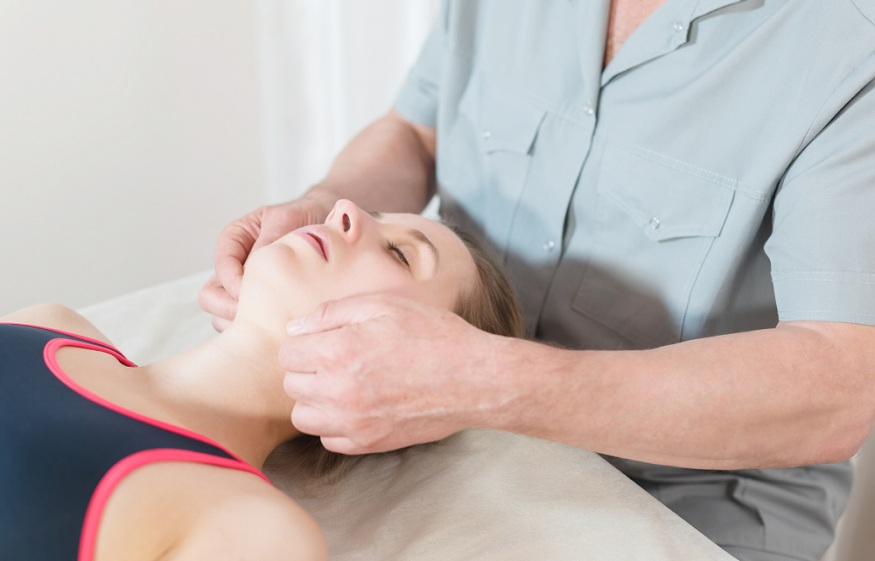
Physical therapy specifically tailored for the jaw and neck focuses on restoring mobility, reducing trigger points, and improving the functional coordination of the muscles that support the airway. Rather than just massaging sore muscles, this type of therapy aims to:
- Address postural imbalances that contribute to jaw and neck strain.
- Improve the functional range of motion in the cervical spine.
- Educate patients on ergonomic adjustments that relieve pressure on the temporomandibular joint.
- Encourage more sustainable resting positions for the jaw and tongue.
For many, this work complements other interventions. When a patient engages in TMJ physical therapy to release chronic tension, they may find that their body is better prepared to tolerate other forms of support, such as oral appliances or therapeutic positioning used to keep the airway open.
Moving Toward an Integrated View of Health
The search for answers typically starts with a series of questions. A patient might wonder if their restless sleep is related to the tension they feel upon waking, or if their jaw pain is a response to how they breathe at night. Engaging with sleep apnea doctors near me allows for a thorough evaluation of sleep quality and airway health. If a provider understands that these systems are linked, they may recommend a coordinated plan that includes both respiratory assessment and structural support.
When evaluating potential providers, it is useful to ask how they view the relationship between different bodily systems. Does the practitioner consider how musculoskeletal health impacts sleep quality? Do they coordinate with other specialists when a patient’s needs cross the boundaries of a single discipline? The most effective care tends to come from providers who prioritize the “why” behind the symptoms, looking at how the entire system functions as a unit.
Reframing the Path to Relief
The assumption that relief must come from a single pill, a single appliance, or a single exercise routine is often what keeps people stuck in a cycle of recurring symptoms. Instead, consider that health in this area is a reflection of how well the body manages the demands of breathing and structural alignment simultaneously.
By shifting from a search for isolated solutions to a search for integrated management, individuals can often find more durable ways to address their concerns. Whether the focus is on improving airway stability or easing the tension in the jaw and neck, the goal remains the same: to help the body return to a state of balance. The journey toward better sleep and reduced pain rarely follows a straight line, but by acknowledging the connection between the airway and the structural integrity of the head and neck, patients can build a much more effective strategy for long-term well-being.