
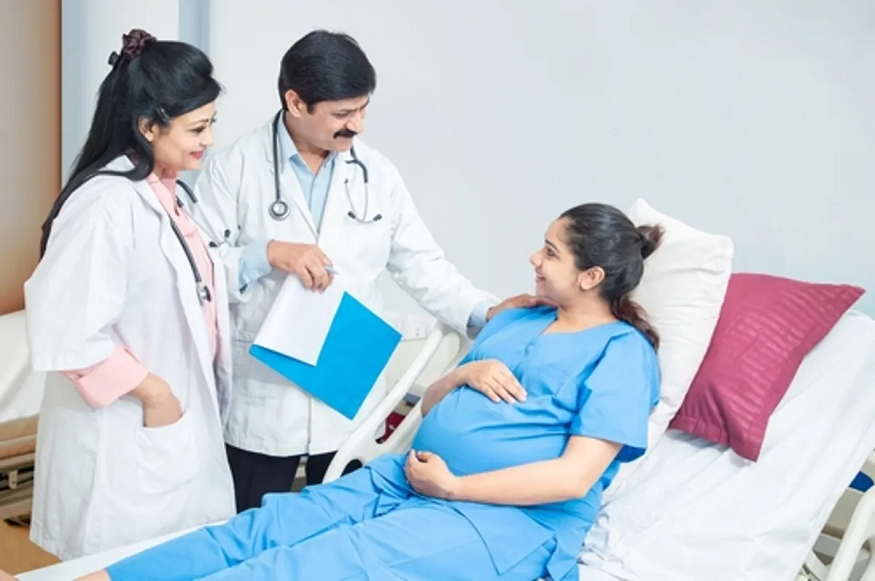
A caesarean section, or C-section, is a surgery in which the baby is delivered through cuts made in the mother’s abdomen and uterus. Most expectant mothers hope for a vaginal birth, but in some pregnancies a caesarean is the safer option for the mother, the baby, or both. Understanding the medical reasons behind this recommendation can make the decision easier to accept.
Planned and Emergency Caesareans
A caesarean is either planned in advance, after a risk is identified during pregnancy, or decided during labour when a complication appears. In both cases, the decision should rest on clinical findings, not convenience.
Common Reasons for a Planned C-Section
-
Placenta previa:
When the placenta covers the cervix, labour can trigger heavy bleeding. A caesarean is the standard recommendation.
-
Breech or sideways position:
If the baby is still bottom-first or lying across the womb near term, and an external cephalic version (a manual attempt to turn the baby) is unsuitable or unsuccessful, a C-section delivery is usually advised.
-
Previous caesarean or uterine surgery:
Many women can attempt a vaginal birth after caesarean (VBAC). However, doctors may recommend repeat surgery if the uterine scar carries a higher risk of tearing.
-
Multiple pregnancy:
Twins can sometimes be born vaginally when the first baby is head down. Triplets, or twins in difficult positions, often need a caesarean.
-
Maternal health conditions:
Severe pre-eclampsia, certain heart conditions, active genital herpes at the time of labour, and HIV with a high viral load may all make a caesarean the safer choice.
Read More: Cardiology: Emergency Response and Long-Term Heart Care
-
Certain fetal conditions:
Some birth defects, such as severe hydrocephalus, can make vaginal birth unsafe.
When a C-Section Becomes an Emergency?
Some situations cannot be predicted. Labour may stall despite strong contractions, often because the baby’s head cannot pass through the pelvis. The baby’s heart rate may show signs of distress. The umbilical cord may slip ahead of the baby (cord prolapse), or the placenta may separate early from the uterine wall (placental abruption). A rare but serious uterine rupture also needs immediate surgery. In these cases, a quick delivery can protect both lives.
Are C-Sections Overused?
The World Health Organization notes that caesarean rates above 10% at the population level are not linked to lower maternal or newborn deaths. India’s National Family Health Survey (NFHS-6) recorded a national caesarean rate of about 27.2%. This is why doctors and health bodies stress that the procedure should be used when there is a genuine medical need.
Risks to Keep in Mind
A caesarean is major abdominal surgery. It carries risks such as infection, blood loss, blood clots, and a longer recovery than vaginal birth. It can also raise the chance of complications in later pregnancies, such as placenta problems. This is why a caesarean is recommended only when its benefits outweigh these risks.
Questions to Ask Your Doctor
- Why is a caesarean being recommended in my case?
- Are there safe alternatives, such as VBAC or a trial of labour?
- What will recovery look like, and how long will I stay in the hospital?
For a planned caesarean, it is reasonable to seek a second opinion.
Read More: Why Access to Reliable Health Information Matters More Than Ever
Final Thoughts
A C-section delivery is neither a failure nor a shortcut. It is a medical tool that saves lives when used for the right reasons. Every pregnancy is different, so speak with a qualified obstetrician who can assess your health, your baby’s position, and your delivery options.
If you are looking for a maternity hospital in HSR Layout, Bangalore, Apollo Cradle & Children’s Hospital provides antenatal consultations and delivery care for both vaginal and caesarean births. Its team of obstetricians, neonatologists, and paediatricians works together to support mothers and newborns through pregnancy, delivery, and postnatal care.