
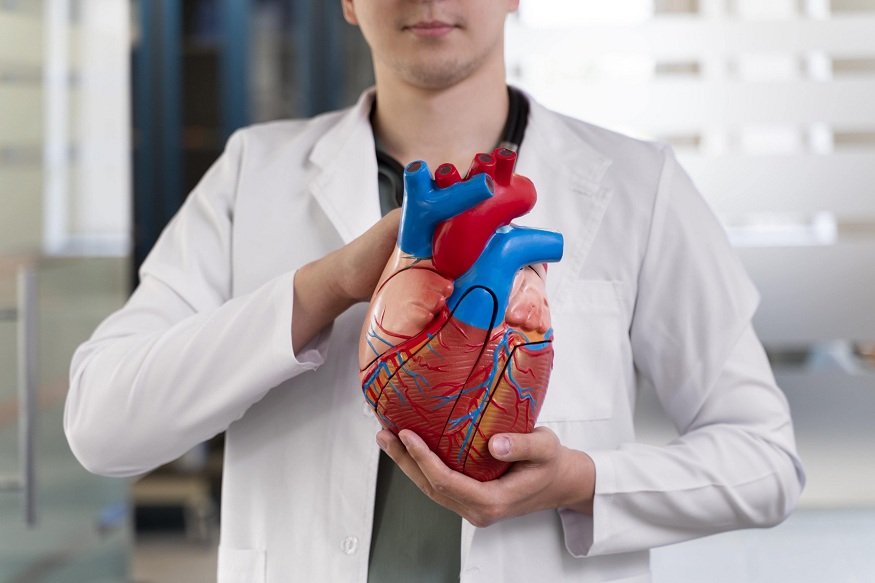
Cardiovascular conditions can range from problems that develop gradually to emergencies that require immediate intervention. Heart disease may affect the blood vessels, heart muscle, valves or electrical system, and the symptoms can vary considerably between patients.
Modern cardiology combines preventive care with diagnostic testing, medicines, minimally invasive procedures and, when necessary, surgery. Early assessment is particularly important when symptoms suggest a serious cardiac problem. Cardiology services cover conditions including heart failure, arrhythmias, hypertension, valve disorders and congenital heart disease, supported by ECG, echocardiography, stress testing, cardiac catheterisation and other investigations.
Cardiac Emergencies Need Rapid Assessment
Some medical emergencies can affect the heart or brain within minutes. Cardiac arrest occurs when the heart suddenly stops pumping blood effectively, while a stroke occurs when blood supply to part of the brain is interrupted, or a blood vessel in the brain bleeds.
Read More: Why Access to Reliable Health Information Matters More Than Ever
These conditions are different, but both require urgent medical attention. A person experiencing sudden collapse, loss of consciousness, difficulty speaking, facial weakness, one-sided weakness, severe breathing difficulty or other serious symptoms should receive emergency medical help immediately.
For families researching stroke & cardiac arrest treatment in Dubai, the availability of emergency physicians, resuscitation facilities, critical care and relevant specialists can be important factors when choosing a hospital.
Understanding the Warning Signs
Recognising possible warning signs can help people seek medical attention without unnecessary delay. A heart attack may cause pressure or discomfort in the chest, although symptoms can differ between individuals. Breathlessness, sweating, dizziness or discomfort affecting the arm, jaw, shoulder or back may also occur.
Stroke symptoms often appear suddenly. They may include weakness or numbness affecting one side of the body, difficulty speaking, changes in vision, loss of balance or a severe sudden headache.
Cardiac arrest is different from a heart attack. During cardiac arrest, the person usually becomes unresponsive and is not breathing normally. Starting CPR promptly and using an AED if one is available may help maintain circulation until the emergency team arrives.
Heart Failure and Its Effect on Daily Life
Heart failure is a long-term condition in which the heart cannot pump or fill adequately to meet the body’s needs. It can result from coronary artery disease, previous heart attacks, high blood pressure, valve disease, cardiomyopathy and other cardiac conditions.
The symptoms may develop gradually. Breathlessness, tiredness, swelling of the legs or ankles and reduced ability to carry out usual activities are common concerns. Some people may also notice changes in their sleep or increased breathlessness when lying down.
Treatment is based on the cause and type of heart failure. Doctors may prescribe medicines to control symptoms, reduce strain on the heart and manage related conditions. Regular monitoring is often needed to assess how the condition responds to treatment.
Patients looking for heart failure treatment in Dubai can discuss their symptoms and medical history with a cardiologist to determine which investigations and treatment options may be appropriate.
Investigations That Guide Cardiac Treatment
No single test can diagnose every cardiac condition. Doctors select investigations according to the patient’s symptoms and suspected problem.
An ECG records the heart’s electrical activity and can help identify rhythm abnormalities. Echocardiography provides information about the heart chambers, valves and pumping function. Stress testing may be useful when symptoms are associated with physical activity.
Some patients need a more detailed assessment. A cardiac catheterisation laboratory can be used to investigate coronary artery disease, valve disorders, heart failure, congenital heart conditions and certain rhythm-related problems.
Treatment Beyond Medication
Medicines form an important part of cardiac care, but they are not the only treatment option. Depending on the condition, patients may require angioplasty, stent placement, catheter-based procedures, rhythm treatment, implanted cardiac devices or cardiac surgery.
The choice depends on factors such as the underlying diagnosis, severity of disease, symptoms, previous treatment and general health. For complex cases, cardiologists may work with interventional cardiologists, cardiac surgeons, emergency physicians and critical care specialists.
This multidisciplinary approach can be particularly useful when a patient has several conditions that need to be addressed at the same time.
Rehabilitation and Continued Cardiac Care
Recovery does not necessarily end when an emergency has been treated. Patients may require follow-up appointments, medication reviews and lifestyle guidance after a cardiac event or procedure.
Read More: Understanding Obsessive-Compulsive Disorder Beyond Common Stereotypes
Cardiac rehabilitation can form part of recovery for suitable patients. It may include supervised physical activity, education about cardiovascular risk factors and support with lifestyle changes.
Long-term follow-up is also important for conditions such as heart failure and arrhythmias. Regular assessments allow doctors to review symptoms, monitor heart function and modify treatment when necessary.
What to Consider When Choosing a Cardiology Centre
Patients and families can look at several aspects when comparing cardiac services in Dubai:
| Service | Role in Patient Care |
| Emergency cardiac care | Provides rapid assessment during serious cardiac events |
| Stroke emergency services | Supports urgent neurological assessment and treatment |
| Cardiac diagnostics | Helps identify structural, electrical and coronary problems |
| Cardiac catheterisation | Supports detailed investigation and selected interventions |
| Critical care | Provides monitoring for seriously ill patients |
| Specialist follow-up | Helps manage chronic cardiac conditions over time |
Conclusion
Cardiology covers both urgent situations and conditions that require years of monitoring. Stroke, cardiac arrest and other cardiovascular emergencies need rapid medical attention, while conditions such as heart failure require a planned approach involving diagnosis, treatment and regular review.
The appropriate care depends on the individual’s symptoms, diagnosis and overall health. Access to emergency services, cardiac investigations, specialist teams and follow-up care can help patients receive treatment at different stages of their cardiovascular journey.