
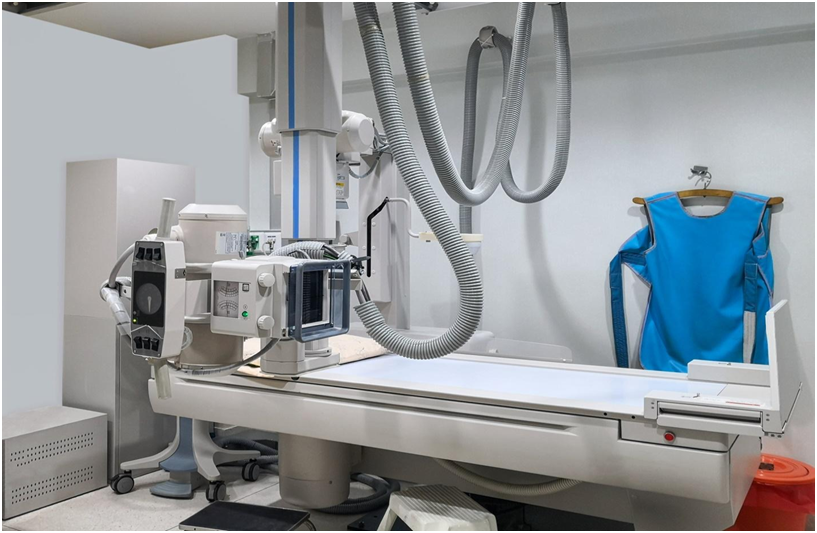
Long-term radiation safety is not built on one purchase. It is built on daily habits, consistent access to the right protective gear, and a program that stays strong even when staffing changes and procedure volume rise. In imaging rooms, cath labs, and hybrid theatres, exposure risk often comes from scatter and repetition, not a single dramatic event. That is why choosing the right supplier matters. Their support can influence fit, availability, inspection routines, and how smoothly teams respond when something needs replacing.
Start With a Clear Radiation Risk Map
Before comparing suppliers, providers do better when they map where exposure happens in their real workflow. Staff positions shift during procedures, and the highest exposure zones can change with angle, table height, and case length. A simple room walk-through helps identify where shielding is most useful and where gear must be easiest to grab. When teams understand their own risk points, they stop buying protection “in general” and start buying protection that fits their rooms.
This risk map should include roles, not just locations. A technologist at the controls has different needs than a nurse who steps in and out during line management. Physicians may need clear sightlines while still being protected near the patient. When teams document these patterns, it becomes easier to choose the right mix of aprons, collars, eyewear, and shields. It also makes training simpler because staff can follow role-based safety habits.
X-Ray Protection Partner for Fit and Everyday Compliance
A trusted X-ray protection equipment supplier helps providers build a program staff will actually use. Comfort is not a minor detail in long cases. Heavy aprons, poor sizing, and awkward closures create fatigue, and fatigue leads to shortcuts. A strong partner supports sizing sessions, practical style choices, and clear guidance so staff know which items suit their role. When protection feels manageable, compliance becomes a habit rather than a reminder.
Providers also benefit when protection is easy to access and consistent across rooms. If staff have to borrow gear between suites or hunt for thyroid collars, safe routines slip. Suppliers who help standardise storage, labelling, and basic room setup reduce that friction. Over time, these small operational wins protect exposure goals and improve staff confidence. The program feels stable, and new team members learn faster because the workflow stays familiar.
Inspection, Testing, and Replacement Planning
Radiation protection needs lifecycle discipline. Aprons can crack internally, shields can wear down, and accessories can degrade long before they look damaged. Providers improve safety when they set clear inspection schedules and document outcomes, rather than relying on informal checks. The goal is to catch issues early and remove worn items from service before they create quiet exposure risk. This also makes audits easier because the program is visible and organised.
Replacement planning matters just as much as inspection. If facilities wait until gear fails, they end up borrowing between rooms and lowering coverage during busy periods. A better approach is to set retirement criteria, plan replacement windows, and keep a small buffer of critical items for unexpected removals. When replacement is predictable, staff do not feel forced into unsafe compromises. Safety stays steady even when volume spikes or staffing is tight.
Equipment and Supplies Planning for Protection Stock Readiness
Reliable medical equipment and supplies planning is a key part of radiation safety because missing gear creates unsafe choices. If a suite runs short on aprons, lead glasses, or mobile shields, staff begin borrowing from other rooms, and coverage becomes inconsistent. A strong restocking plan sets realistic par levels, tracks usage, and keeps the right sizes available. When inventory is stable, staff stop “making do” with poor fit, and compliance improves.
Stock readiness is not only about having more items. It is about having the right mix, in the right place, at the right time. Clear storage locations and simple reorder routines help teams restock without errors. Rotation by expiry and scheduled deep checks reduce waste while protecting readiness. When teams trust replenishment, they stop hiding extra gear in cupboards, and the program becomes easier to manage across shifts.
Supplier Support That Holds Up Over Years
Long-term programs depend on support that does not disappear after the first delivery. Providers should look for practical guidance, responsive problem-solving, and clear communication when products change. If staff need help with correct shield positioning, storage redesign, or a quick refresher after a new room opens, the supplier relationship should make that easy. A strong partner supports calm, repeatable routines, which is what safety programs need most.
A dependable X-ray protection equipment supplier also helps teams handle change without disruption. When a product update occurs, staff should receive clear notice and simple guidance on what is different. That prevents confusion and reduces the risk of inconsistent coverage. Over time, this kind of structured support protects the culture of safety. Staff trust the program, leaders can plan upgrades with fewer surprises, and day-to-day compliance becomes easier to sustain.
Change Control and Smarter Ordering for Safety Programs
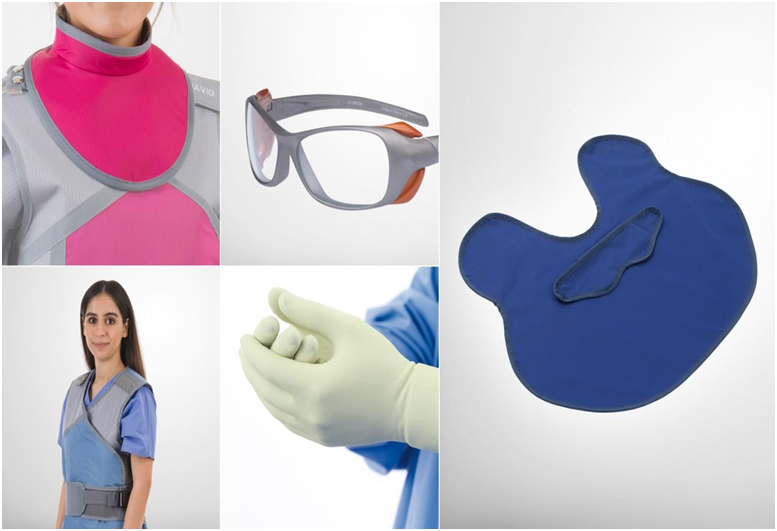
Facilities often underestimate how much change control affects safety. A small swap in apron style, closure type, or eyewear fit can alter comfort and usage, even if coverage looks similar on paper. Reliable medical equipment and supplies processes help reduce these surprises by controlling substitutions and keeping core items consistent across rooms. When changes are needed, staff benefit from simple rollout steps, such as short refresh guidance and clear labelling.
This is also where clear communication matters beyond the clinical space. Many providers share their safety standards with staff, referrers, and patients, and well-written content helps those standards sound credible and easy to follow. Some organisations use SEO services to ensure that safety and imaging pages are discoverable, especially in competitive markets. When messaging reflects real workflow, trust rises, and enquiries are often more qualified because expectations are clearer from the start.
Conclusion
Choosing the right supplier supports long-term radiation safety by strengthening the basics that teams rely on every day: proper fit, consistent availability, structured inspection routines, and predictable replacement cycles. When protection is easy to use and easy to find, staff follow safer habits more consistently, even during long cases and packed schedules. Strong supplier support also improves documentation, reduces confusion during product changes, and helps facilities maintain steady standards across departments and shifts.
Nexamedic helps healthcare teams build lasting radiation safety programs by supporting consistent access to protection equipment, practical coordination for stock and replacement planning, and clear documentation that fits real clinical workflows. Their support can reduce disruption when items need to be retired, simplify ongoing readiness across rooms, and help teams keep safety routines steady over time. When the foundation is stable, staff can focus more on patient care and less on chasing gear.
Frequently Asked Questions
Question: What should providers evaluate first when selecting a protection supplier?
Answer: They should start with fit, availability, and program support. A supplier should offer sizing options, consistent stock, and guidance on storage and inspection routines. It also helps to ask how replacements are handled and how quickly support responds when an item needs to be removed from service. Strong partners make safe routines easier to follow daily.
Question: How often should aprons and protective gear be inspected?
Answer: Inspection frequency depends on local policy and usage intensity, but consistency matters most. Facilities often use regular visual checks plus scheduled integrity testing based on their safety program. Clear documentation is important, so staff know what to look for and what happens when an item fails inspection. A predictable schedule prevents worn gear from staying in circulation.
Question: Why does comfort matter so much for compliance?
Answer: Because discomfort leads to shortcuts, heavy gear, poor fit, or awkward closures increase fatigue, especially during long lists. When protection fits well and is easy to put on correctly, staff use it more consistently. Comfort also reduces strain over time, which supports staff wellbeing and makes compliance easier to maintain across shifts.
Question: What simple changes improve radiation safety without major purchases?
Answer: Better shield placement, consistent use of ceiling screens, and clear default positions for common procedures can reduce exposure quickly. Teams can also reinforce basic habits like stepping back during acquisitions and using collimation where appropriate. Small changes in distance and positioning add up across a day. Short refresh training often improves consistency fast.
Question: How can facilities keep protection programs consistent during staff turnover?
Answer: Standardised storage, clear labelling, and short onboarding routines help new staff follow the same safety habits as experienced teams. Quick-reference guides near storage areas also reduce mistakes under pressure. Facilities that document inspection routines and replacement schedules avoid gaps when responsibilities shift. Consistency improves when the program is built into the workflow, not left to memory.