
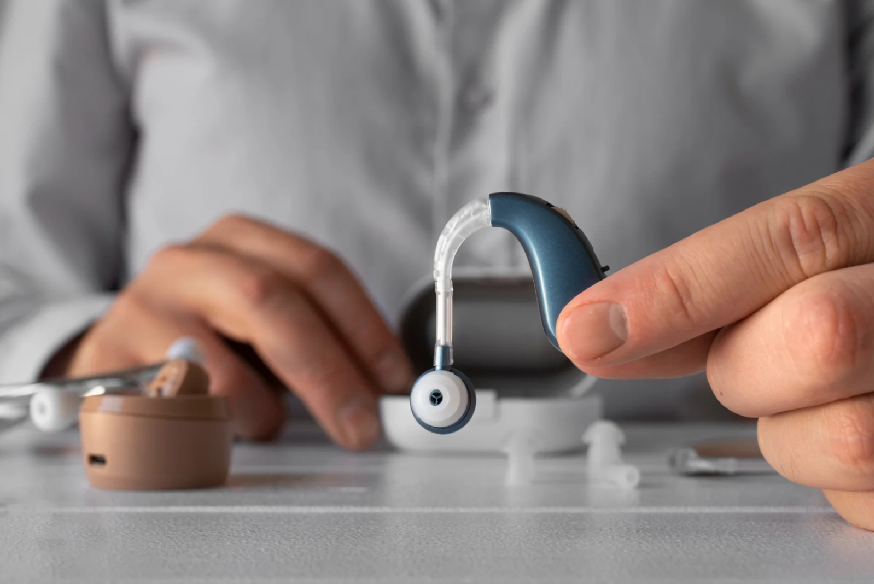
Seeking an early hearing aid evaluation prevents the progressive loss of speech clarity and protects your brain’s ability to process sound. When hearing loss goes unaddressed, the auditory cortex—the part of the brain responsible for hearing—gradually loses its capacity to interpret complex audio signals. This phenomenon, known as auditory deprivation, means that delaying an evaluation makes it significantly harder to understand speech even when sounds are later amplified. Taking proactive action ensures that your brain remains actively wired to perceive the subtle nuances of human conversation.
Halting the Cycle of Auditory Deprivation
The human auditory system operates on a strict use-it-or-lose-it principle. When hair cells in the inner ear become damaged, they stop sending electrical signals to the brain, causing those specific sound pathways to atrophie over time. An early diagnostic evaluation identifies these structural drops in perception before the brain begins to reallocate its processing power elsewhere.
Read More: Choosing an X-ray Protection Equipment Supplier for Long-Term Radiation Safety
Introducing a tailored hearing solution early keeps these neural pathways stimulated and active. This consistent stimulation preserves your baseline speech recognition, ensuring you can still distinguish between similar-sounding words in a crowded room. Waiting too long to intervene often results in a permanent decline in word comprehension that standard amplification cannot completely fix.
Reducing Cognitive Load and Mental Fatigue
Living with untreated hearing loss forces the brain to work exceptionally hard just to scan and decode everyday speech. This constant straining shifts your mental energy away from short-term memory and comprehension toward the brute-force mechanics of listening. People with mild, uncorrected hearing issues frequently experience profound exhaustion by the end of a typical workday due to this sustained cognitive overload.
Early intervention balances this equation by delivering missing sound frequencies directly to the auditory nerve without extra physical effort. By removing the cognitive friction of guessing words from context clues, you free up processing power for memory retention and active focus. Protecting this energy reservoir improves your daily productivity and eliminates the deeper mental fatigue associated with sensory straining.
Protecting Mental Health and Social Connectivity
Sensory decline rarely stays confined to physical symptoms; it rapidly impacts your emotional well-being and social patterns. Individuals who struggle to follow conversations often pull away from family gatherings, noisy restaurants, and professional collaborations to avoid embarrassment. This progressive isolation increases the long-term risk of developing situational depression and generalized anxiety.
Comprehensive evaluations provide a clear roadmap to maintaining seamless communication with the people around you. Keeping your naturally sharp communication skills intact prevents the frustration, misunderstandings, and emotional distance that separate you from your support network. Staying connected to your environment supports long-term emotional resilience and preserves your overall quality of life.
Read More: Precision Screening: How Gastroenterology Diagnostics Inform Targeted Oncological Therapies
What to Expect During a Professional Evaluation
A thorough auditory assessment is a straightforward, completely painless diagnostic process designed to map your unique sensory profile. Understanding the exact components of the visit helps eliminate any lingering hesitation about scheduling your first appointment.
- Physical Otoscopic Examination: The specialist examines the ear canal to rule out structural blockages, fluid buildup, or simple earwax impaction causing temporary muffled sound.
- Pure-Tone Audiometry Testing: You will listen to a series of distinct frequencies through calibrated headphones to pinpoint the exact pitches where your hearing sensitivity has shifted.
- Speech Recognition Testing: This measure evaluates your ability to correctly identify spoken words at various volumes, both in quiet environments and against simulated background noise.
- Acoustic Reflex Analysis: Modern diagnostic tools assess how well the middle ear muscles respond to sound, checking the health of the entire pathway leading to the brain.
Conclusion
Scheduling hearing aid evaluationsis a decisive investment in your long-term cognitive agility and independence. Addressing subtle changes in your sound perception today keeps your brain actively engaged, lowers daily mental exhaustion, and protects your personal relationships. Sensory care functions best as preventive care, and acting before major challenges develop keeps you firmly in control of your health. If you notice yourself asking people to repeat themselves or struggling in noisy spaces, take the proactive step to schedule a professional evaluation and safeguard your auditory future.