
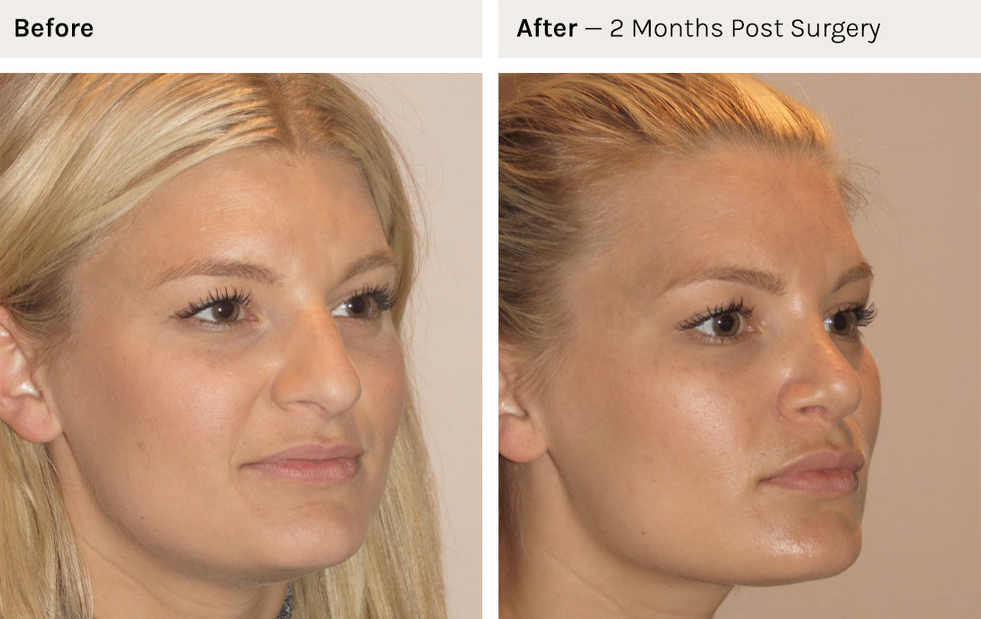
The nose occupies the centre of the face, but its visual effect is rarely determined in isolation. From the side, it forms part of a longer profile that includes the forehead, lips and chin. From the front, its contours influence how light, symmetry and proportion are perceived.
For people considering non surgical rhinoplasty Sydney, the central question is therefore not whether one feature can be changed according to a standard ideal. It is whether a carefully considered treatment plan may support greater balance between the nose and the surrounding facial features.
A responsible consultation begins with anatomy, individual treatment goals and realistic expectations. It also includes a clear discussion of limitations, potential risks and whether treatment is suitable at all.
Facial Balance Is About Proportion
Facial balance is not a fixed formula. Similar nasal shapes may appear quite different depending on chin projection, lip position, forehead contour and the relative proportions of the upper, middle and lower face.
During assessment, a practitioner may consider the bridge, tip and profile alongside the face as a whole. The frontal view is equally important. Nasal width, existing asymmetry and the relationship between the nose and other features can all affect the way a proposed change may be perceived.
Read More: How Much Does Arm Liposuction Cost in Charlotte, NC? A Complete Pricing Guide
The purpose of this assessment is not to treat natural variation as an imperfection. It is to understand the appearance-related concern being raised and determine whether a non-surgical approach is appropriate for the individual.
What Happens During Consultation?
A non surgical nose job Sydney consultation should involve more than a brief discussion of the desired profile. The practitioner may review nasal structure, skin characteristics, previous cosmetic or surgical procedures, relevant health history and the person’s intended outcome.
Clinical photographs may form part of the assessment and treatment-planning process. The practitioner should also explain what the proposed approach may achieve, what it cannot achieve and how long any outcome may reasonably last.
A liquid rhinoplasty Sydney treatment plan must be personalised because anatomy, tissue characteristics and previous procedures differ between patients. A plan that may be appropriate for one person may be unsuitable for another.
In some circumstances, no treatment may be recommended. A surgical opinion may be more appropriate where a person is seeking permanent structural change, a reduction in nasal size or assessment of a functional issue.
What Appearance-Related Concerns May Be Discussed?
Consultation may include discussion of minor contour irregularities, visible asymmetry, the appearance of a dorsal hump, tip position or the relationship between the nose and the side profile.
Carefully planned changes may alter how a contour is perceived, but a non-surgical procedure does not remove tissue or physically reduce the size of the nose. It also does not offer the same possibilities as surgery.
The face must be considered from several angles. A change that appears balanced from the side may have a different effect from the front or three-quarter view. This is one reason that treatment planning should not be based on a single photograph or isolated feature.
Treatment suitability varies between individuals. Skin thickness, existing anatomy, previous procedures and the available space within the tissues may all influence whether treatment can be considered.
Risks, Recovery and Temporary Outcomes
The absence of surgery does not make a cosmetic procedure risk-free. All cosmetic procedures carry risks and may not be suitable for everyone.
Possible effects and complications may include bruising, asymmetry, infection, skin injury and rare vascular complications. Some complications may require urgent clinical assessment and further care. This is not a complete list, and the risks relevant to an individual should be explained before informed consent is provided.
Recovery experiences also vary. Patients should receive clear aftercare instructions, including any temporary activity restrictions and information about when to contact the clinic. They should know how concerns will be assessed and what support is available following treatment.
Outcomes are temporary, and their duration cannot be predicted with certainty. Individual responses may vary, and a future review does not mean that additional treatment will necessarily be suitable.
Understanding Treatment Costs
The non surgical rhinoplasty Sydney cost can vary because treatment planning depends on individual anatomy, clinical suitability and the complexity of the appearance-related concern.
A responsible fee discussion should take place after consultation and clinical assessment. The clinic should explain the anticipated costs before a person decides whether to proceed. Fees may account for the consultation, personalised planning and clinically appropriate follow-up arrangements.
Price should not be considered separately from practitioner experience, patient safety, informed consent and the clinic’s approach to aftercare and complication management.
Choosing an Appropriate Practitioner
When comparing non surgical rhinoplasty near me providers, patients should consider practitioner registration, relevant qualifications, clinical experience and the quality of the consultation process.
A practitioner should be willing to discuss risks, alternatives, temporary outcomes and potential limitations. They should also be prepared to advise against treatment when it is not considered suitable.
Read More: Benefits of Full Body Massage for Stress and Fatigue
There should be no pressure to make an immediate decision. Patients should have the opportunity to ask questions, consider the information provided and make an informed choice.
A Personalised Approach to Facial Balance
At Aesthetics Residence by Masie, consultations consider nasal structure, skin characteristics, facial proportions, previous procedures and individual treatment goals. Patient safety, realistic expectations and informed consent remain central to personalised treatment planning.
Book a consultation to discuss your appearance-related concerns, individual suitability, potential treatment options and limitations. A consultation provides an opportunity to receive personalised information without an assumption that treatment will proceed.

One thought on “Non-Surgical Rhinoplasty for Facial Balance: What You Need to Know”
Comments are closed.