Aesthetic treatments have changed significantly over the past decade. Where once the focus was often on visible transformation, there is now a growing preference for subtlety. More people are looking for results that feel natural, gradual and in keeping with their overall appearance rather than something immediately noticeable.
This shift reflects a broader change in how ageing is understood. Rather than being something to correct quickly, it is increasingly seen as a process to work with over time. The goal is no longer to look different, but to feel more aligned with how you see yourself.
Moving Away From Instant Results
Instant results can be appealing, particularly in a culture that values quick outcomes. However, when it comes to aesthetics, immediate change is not always the most effective or sustainable approach.
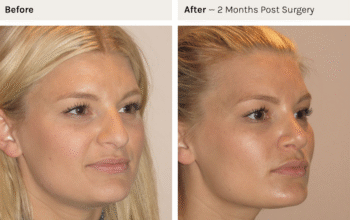
Gradual treatments allow the face to adjust naturally. They work with existing structure rather than overriding it. This often leads to outcomes that are less obvious to others, but more satisfying to the individual.
Read More: Pigmentation on Face: Choosing the Best Serum for Even-Toned Skin
Patience becomes part of the process, and for many, this feels more comfortable and more authentic.
Understanding the Structure Beneath the Skin
Facial ageing is not only about what happens on the surface. Changes occur deeper within the skin and underlying structures. Collagen production slows, volume shifts and skin loses some of its natural elasticity.
These changes are subtle at first, but over time they influence how the face looks and feels. Addressing them requires an approach that considers structure rather than just appearance.
This is why more treatments are now focused on supporting the skin’s natural processes rather than simply altering the surface.
The Appeal of Gradual Enhancement
Gradual enhancement allows individuals to maintain control over their appearance. Changes happen over time, making it easier to assess how the face responds and whether further adjustments are needed.
This approach also reduces the risk of overcorrection. When changes are introduced slowly, it is easier to maintain balance and proportion.
For many people, this creates a more relaxed experience. There is less pressure to achieve a specific result in a single step.
Why Natural Results Matter More Than Ever
Social perception plays a role in how aesthetic treatments are viewed. Obvious changes can sometimes draw attention in ways that feel uncomfortable.
Natural results, on the other hand, tend to go unnoticed. Friends and colleagues may comment that someone looks well or refreshed without identifying a specific reason.
This subtlety aligns with a broader cultural preference for authenticity. People want to look like themselves, just with a little more vitality.
The Role of Collagen in Long-Term Skin Health
Collagen is a key component of skin structure. It provides support, elasticity and firmness. As production decreases with age, the skin gradually loses some of these qualities.
Supporting collagen production has become a central focus in modern aesthetics. Rather than replacing volume directly, some treatments encourage the body to rebuild its own structure over time.
This approach supports longer-lasting and more natural looking results.
A Shift Towards Regenerative Thinking
Regenerative approaches are gaining attention because they work with the body rather than against it. Instead of introducing immediate change, they stimulate natural processes that improve skin quality gradually.
This shift reflects a deeper understanding of how the skin behaves over time. It also aligns with a preference for treatments that feel less invasive and more integrated into overall wellbeing.
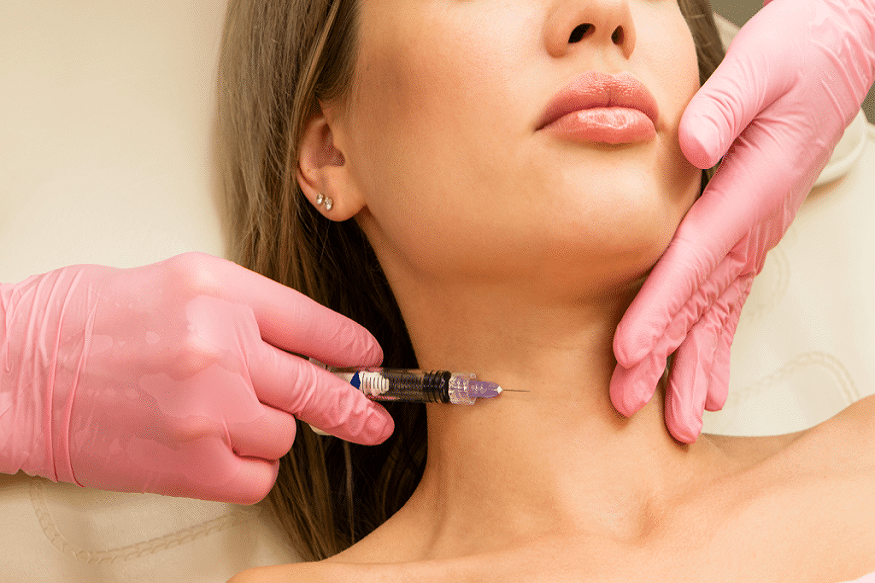
One example of this approach is Sculptra, which is often considered as part of a longer-term strategy rather than a quick fix.
Why Consultation Matters More Than Treatment
The outcome of any aesthetic treatment depends heavily on the consultation process. Understanding a person’s goals, lifestyle and facial structure is essential before any decisions are made.
A good consultation focuses on listening as much as advising. It sets realistic expectations and ensures that any approach is tailored rather than standardised.
Practitioners such as Dr Hennessy are known for taking a measured and considered approach, prioritising long-term outcomes over immediate changes.
Restraint as a Sign of Expertise
In aesthetics, doing less is often more effective than doing more. Restraint requires confidence and experience. It involves knowing when to act and when to hold back.
Overtreatment can disrupt facial balance and create results that feel unnatural. Subtle adjustments, on the other hand, enhance existing features without overpowering them.
This balance is what distinguishes thoughtful treatment from formulaic approaches.
The Psychological Aspect of Change
Aesthetic treatments are not purely physical. They also influence how people feel about themselves. Confidence, comfort and self-perception all play a role.
Gradual, natural changes tend to support a positive relationship with appearance. They allow individuals to adjust at their own pace and maintain a sense of familiarity.
This psychological aspect is an important part of why subtle approaches are becoming more popular.
Looking Ahead With Intention
As aesthetics continue to evolve, the focus is likely to remain on natural, long-term outcomes. Treatments that support the body’s own processes are expected to play a larger role.
This does not mean that traditional approaches will disappear, but they are increasingly complemented by methods that prioritise sustainability and balance.
Read More: Lip Augmentation & Lip Injections in Toronto: Your Ultimate Guide at BeautyOne Clinic
A More Considered Approach to Aesthetics
The move towards subtlety reflects a broader change in mindset. It values patience, understanding and individuality over quick results.
By approaching aesthetic treatments with intention, individuals can achieve outcomes that feel aligned with who they are, rather than chasing a predefined ideal.
In the end, the most successful changes are often the ones that are not immediately obvious, but quietly enhance how a person looks and feels.